
You don’t need a salon appointment every week to keep your hair healthy; sometimes the best treatments are sitting in your kitchen right now. DIY hair masks are a smart way to maintain your hair between professional services, especially when you understand what your specific hair type needs and how magically natural ingredients work.
Just like you can’t out-supplement a bad diet, you can’t out-mask bad hair habits. But when you’re already investing in quality hair or natural hair extensions, these DIY treatments are like your active recovery days. They’re the maintenance work that keeps everything strong and healthy between the heavy lifting.
Five DIY Hair Masks That Work for Every Hair Type
Which DIY Hair Mask Is Right for Your Hair Right Now? Instead of rotating recipes endlessly, use this decision guide to choose intentionally.
| Your Hair’s Main Issue | What Your Hair Needs | DIY Mask Type | How Often | Who Should Avoid |
| Dry, rough, dull hair | Moisture + softness | Avocado or oil-based masks | Once weekly | Fine or oily hair |
| Frizz with dryness | Moisture + smoothing | Banana or honey masks | Every 7–10 days | Protein-sensitive hair |
| Weak or breaking hair | Light protein | Egg or yogurt masks | 1–2× monthly | Very dry or coarse hair |
| Dry or irritated scalp | Scalp soothing | Aloe-based masks | As needed | Broken or inflamed scalp |
| Oily hair | Clean without losing the hair luster | Apple cider + honey masks | In 2 Weeks | Low-porosity overload |
Before you start mixing ingredients, take a moment to assess your hair type. Does it snap easily when wet? That’s a sign you need protein. Does it feel like straw even when moisturized? You likely need more hydration. Your hair will tell you what it needs if you pay attention. Wet, protein-starved hair stretches too much and feels overly soft, almost slippery. Dehydrated hair, on the other hand, feels coarse and snaps easily, even when you’re just brushing your fingers through it. The good news for you is that these 5 DIY masks can address both, as long as you’re paying attention to how your hair responds after each treatment.
1. The Banana & Honey Smoothing Mask (For Instant Softness)
Best for hair type: Fine to medium hair that tangles easily or feels rough to the touch.
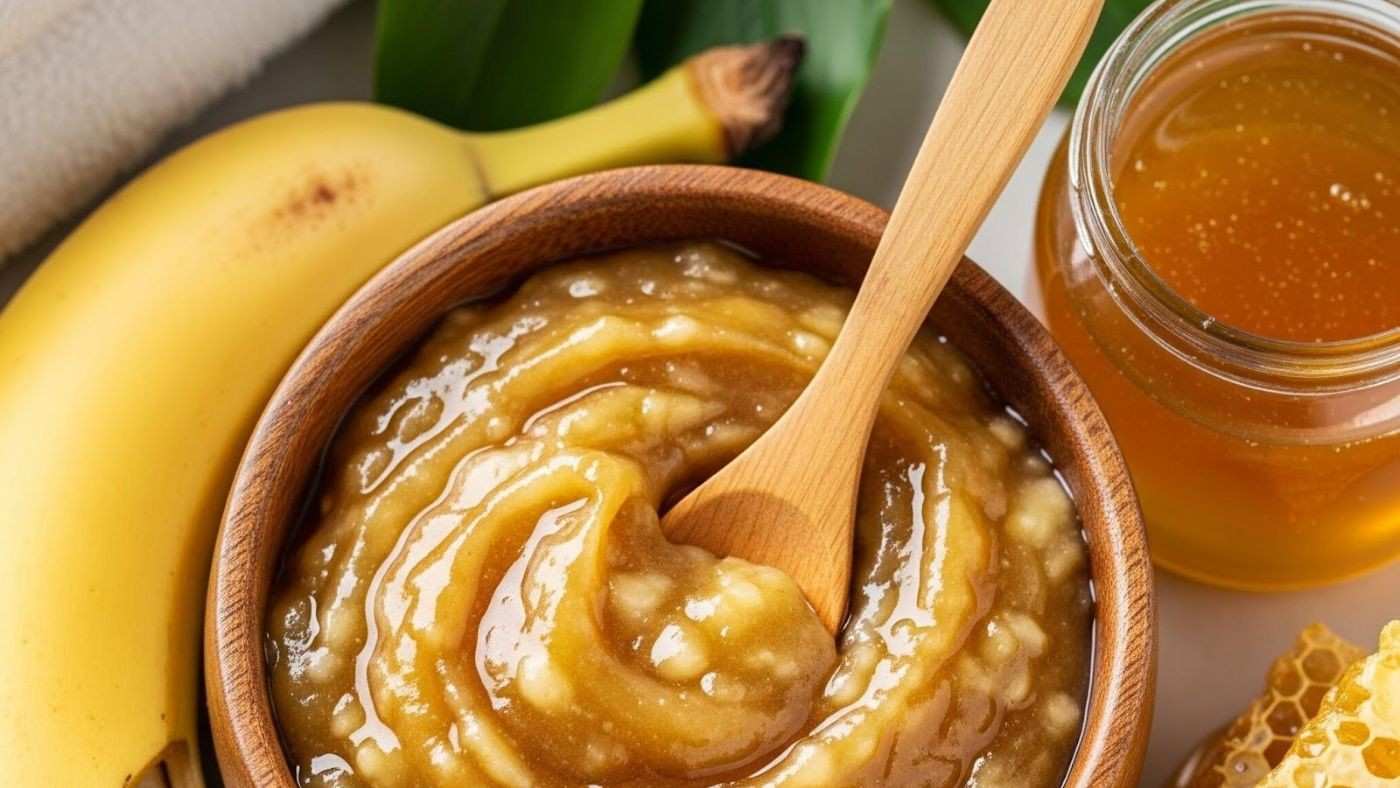
This is your go-to when you need fast results before any party or event. Mash one ripe banana until completely smooth, then mix with two tablespoons of raw honey. The banana’s potassium and natural oils fill in gaps along the hair shaft. As you rinse this mask out, you’ll feel immediate slip and smoothness, and your hair glides through your fingers differently than it did before.
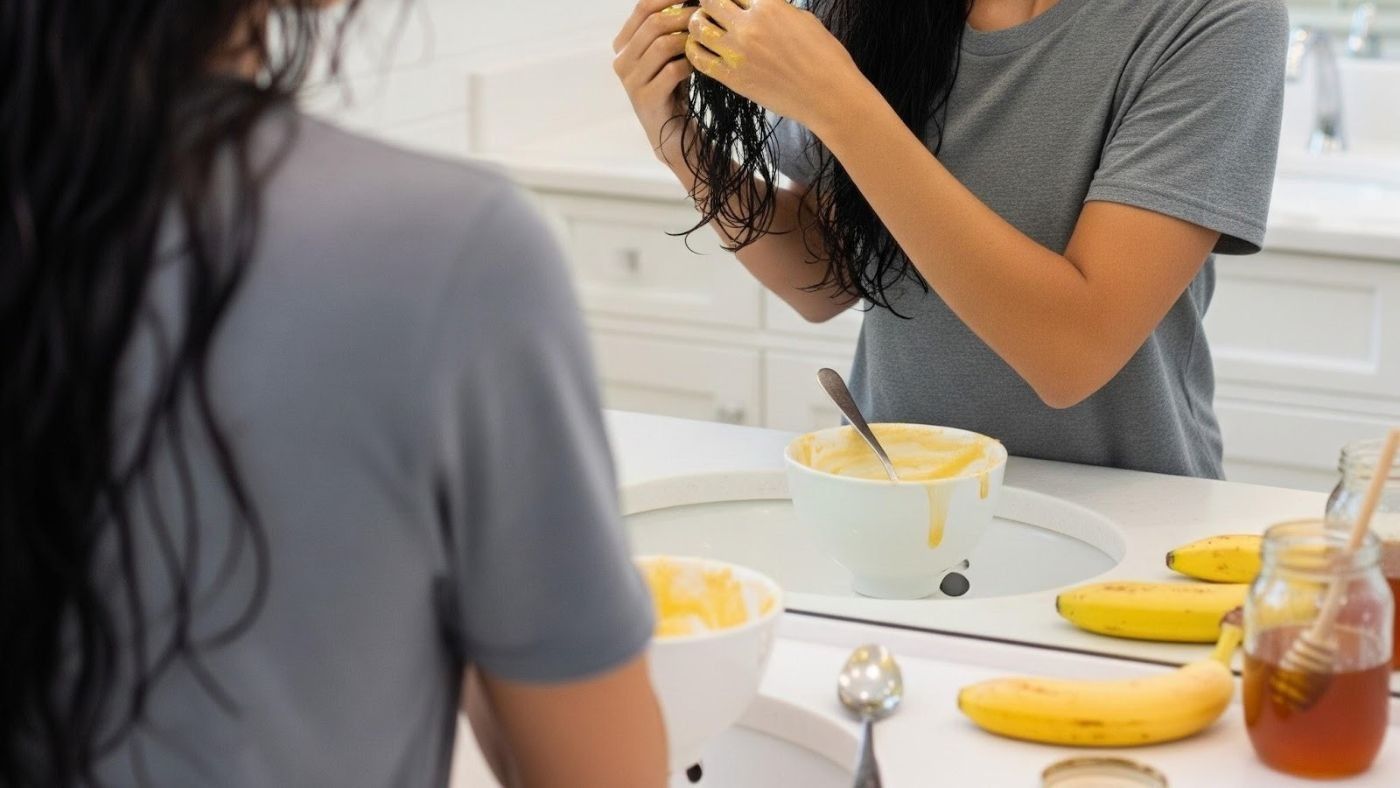
Apply to damp hair, leave for 15–20 minutes, and rinse thoroughly with cool water. Use this mask once a week, maximum. Overuse can lead to buildup, especially if you have fine or thin hair types.
2. The Avocado & Olive Oil Deep Moisture Treatment
Best for: Coarse, curly, or color-treated hair that tends toward dryness.
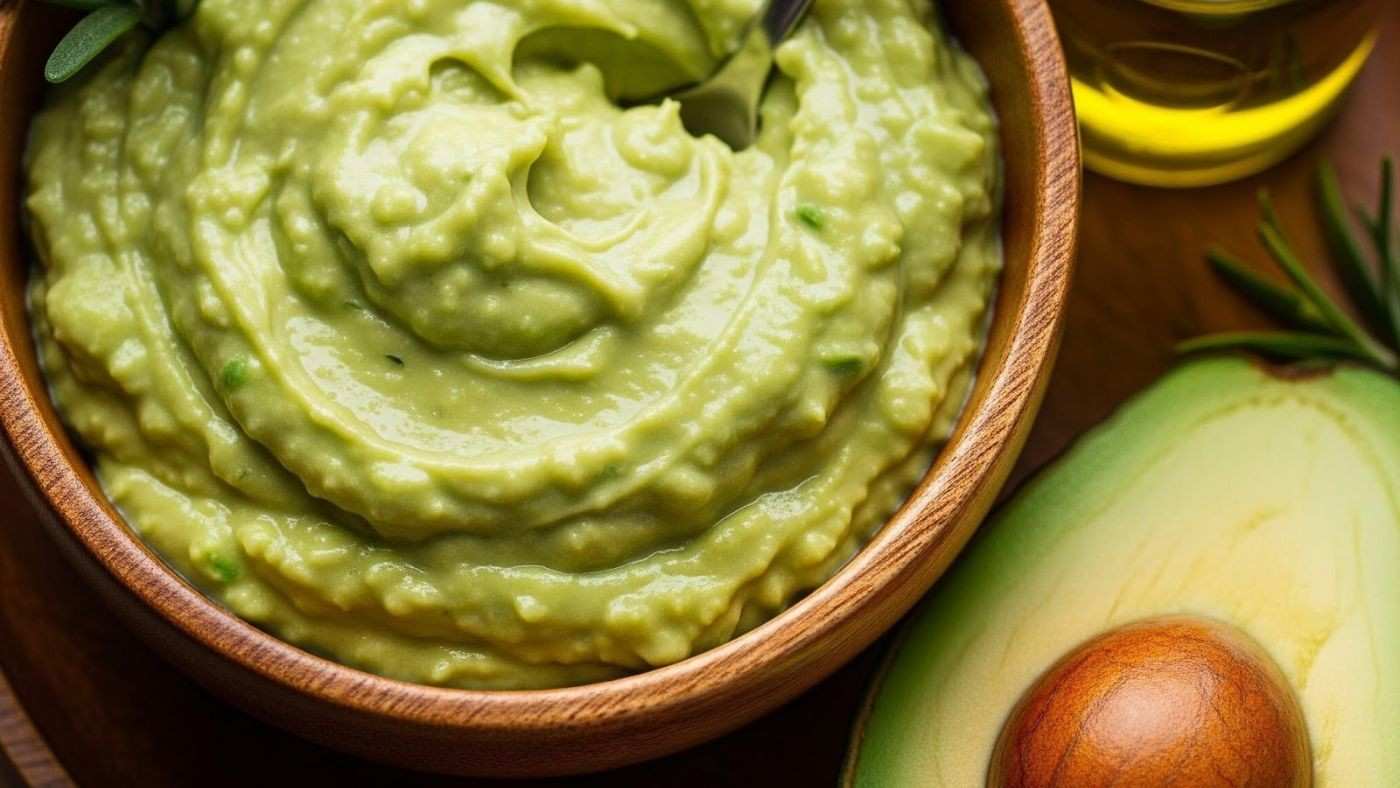
If your hair is coarse, textured, or chemically treated, this is your foundation mask. Mash half a ripe avocado with two tablespoons of extra virgin olive oil until creamy. Avocado’s fatty acids penetrate the hair shaft rather than just coating it, while olive oil seals in that moisture. This combination mimics the natural sebum your scalp produces, which is not distributed evenly down the length of your hair.
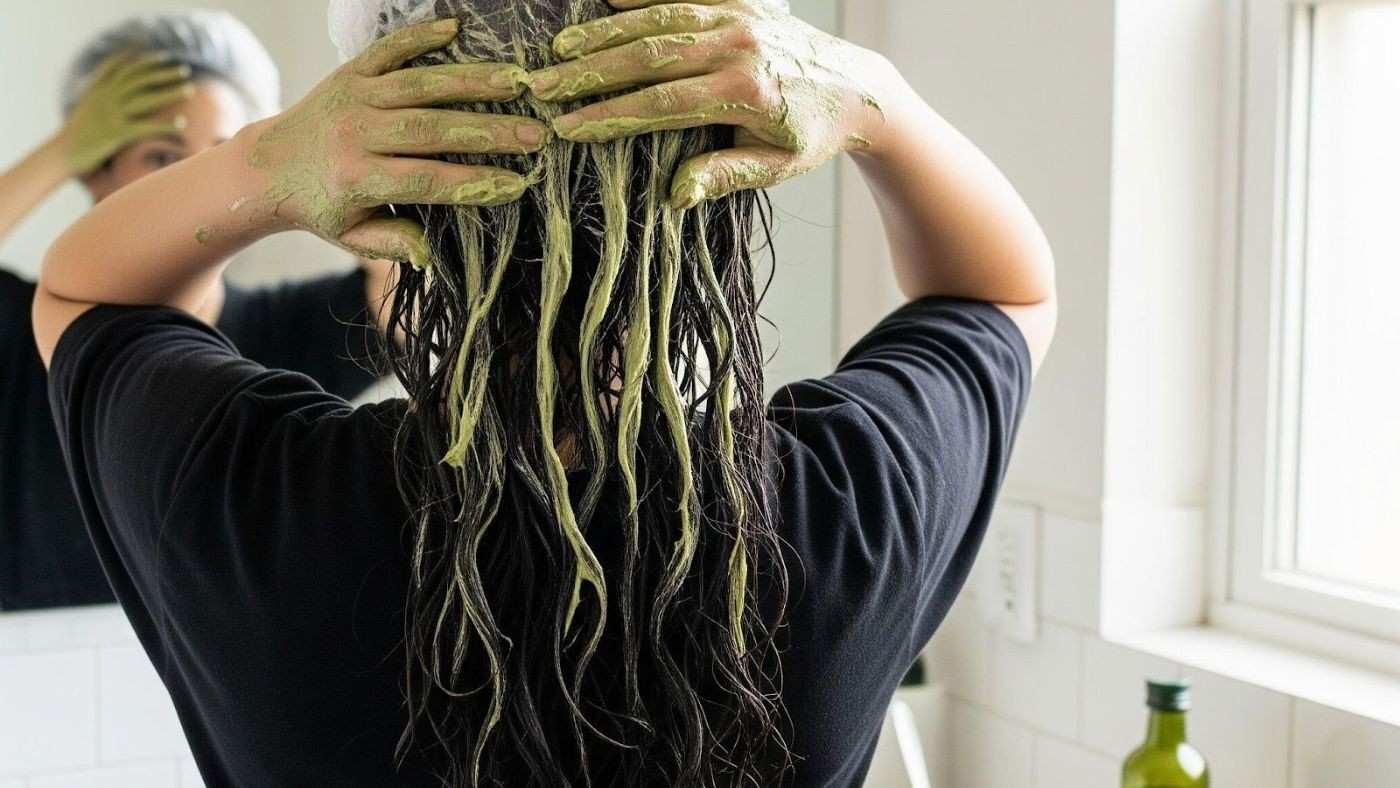
Apply generously to damp hair from mid-length to ends, avoiding the scalp if you’re prone to oiliness. Leave for 30 minutes under a shower cap, then shampoo twice to remove all residue. Use every 7–10 days.
3. The Egg & Yogurt Protein Boost
Best for: Fine hair, damaged hair, or hair that’s been heavily moisturized and lost its shape.
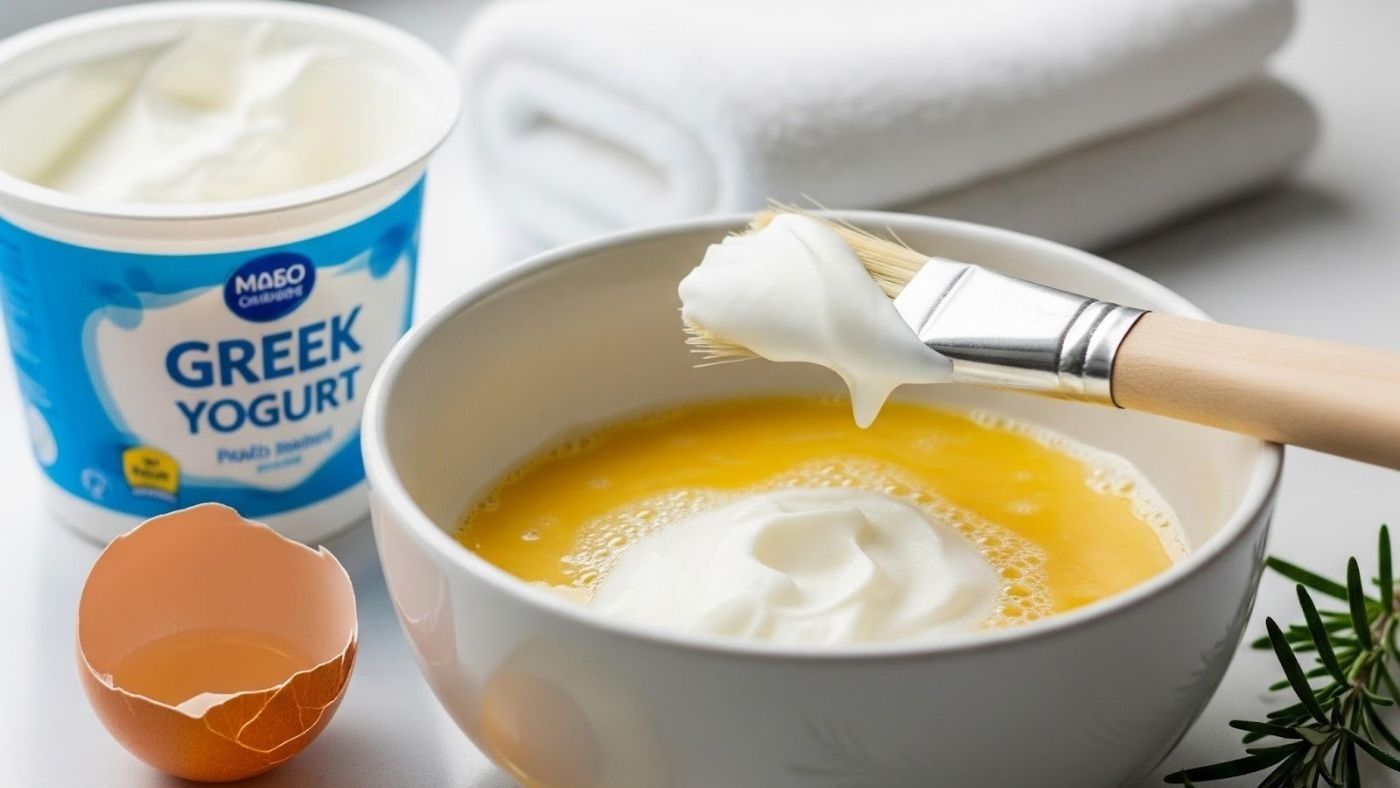
When your hair has lost its structure, maybe from heat styling or over-moisturizing, protein is what brings back its strength. Whisk one whole egg with three tablespoons of plain Greek yogurt. Eggs contain keratin-building amino acids, and yogurt’s lactic acid gently clarifies while conditioning. Hair that needs protein will feel noticeably stronger and more elastic after this treatment, bouncing back when stretched instead of staying limp.
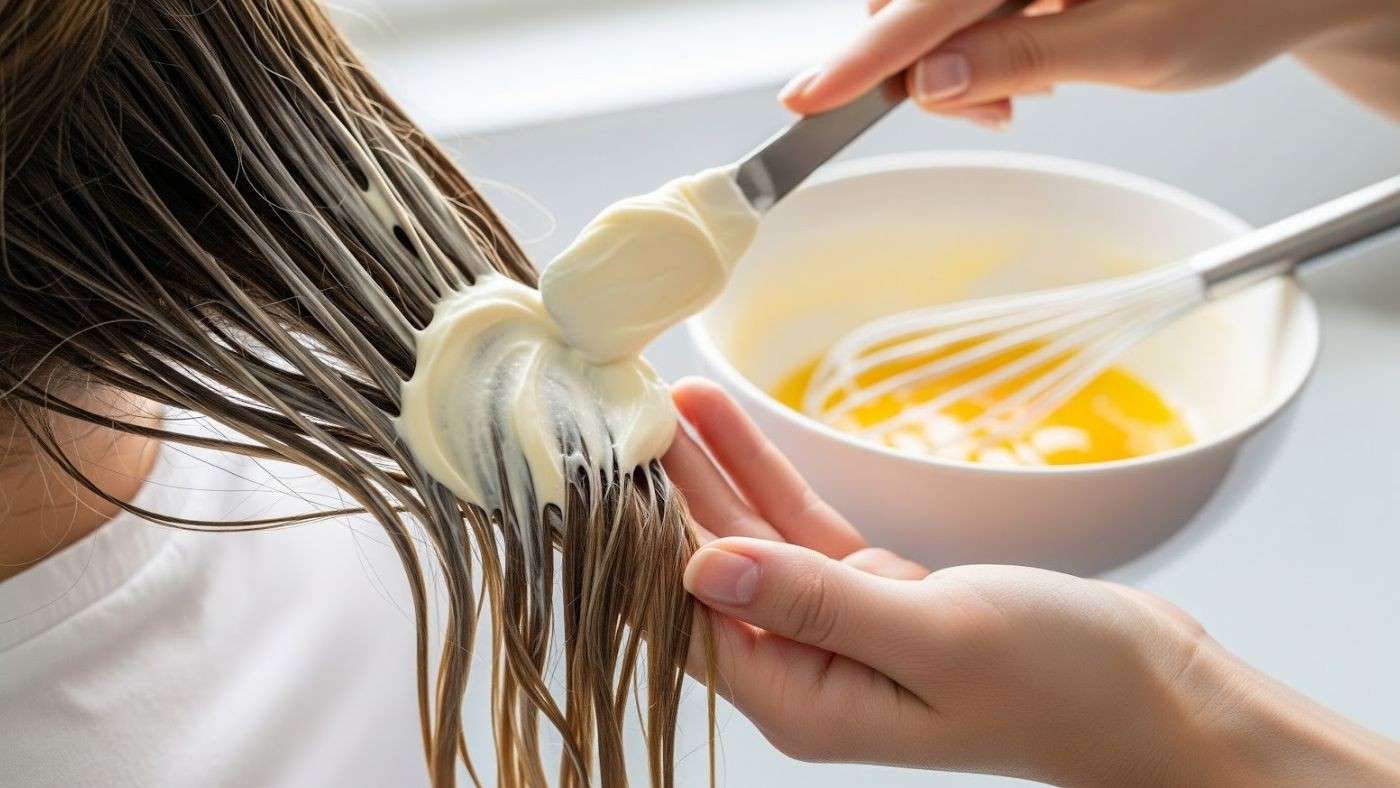
Apply to clean, damp hair and leave for 20 minutes maximum. Protein treatments work quickly, and leaving them on too long can make hair stiff. Rinse with cool water. Use this mask every two weeks at most.
4. The Coconut Oil & Aloe Vera Scalp Reset
Best for: All hair types, especially those with dry scalp, itchiness, or buildup from styling products.
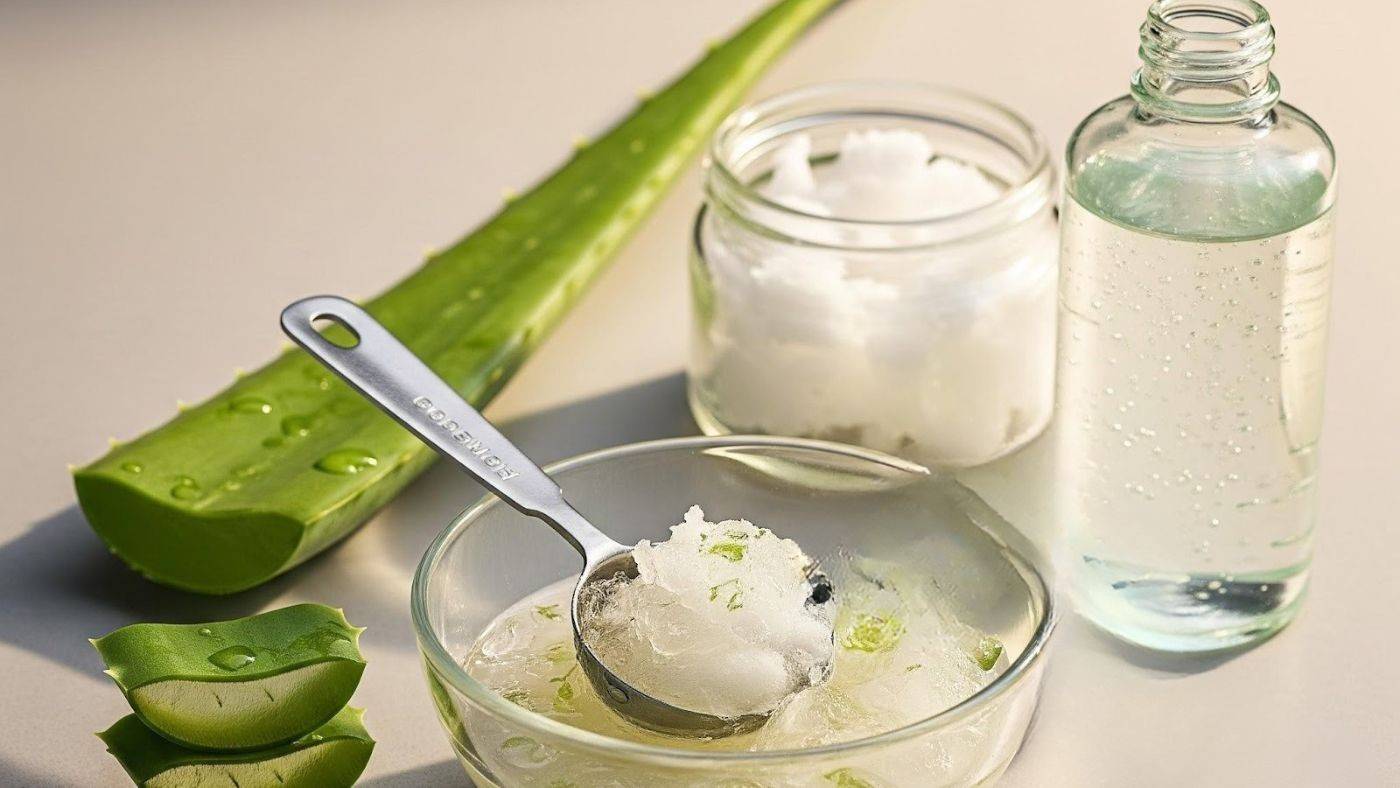
Sometimes the issue isn’t your hair length, it’s your scalp. Mix two tablespoons of melted coconut oil with two tablespoons of pure aloe vera gel. Coconut oil’s small molecular structure allows it to penetrate the hair shaft and prevent protein loss during washing, while aloe vera soothes inflammation and balances your scalp’s pH. This is particularly valuable if you wear hair wigs, toppers, or hair extensions, as these can sometimes irritate the scalp or trap oils.
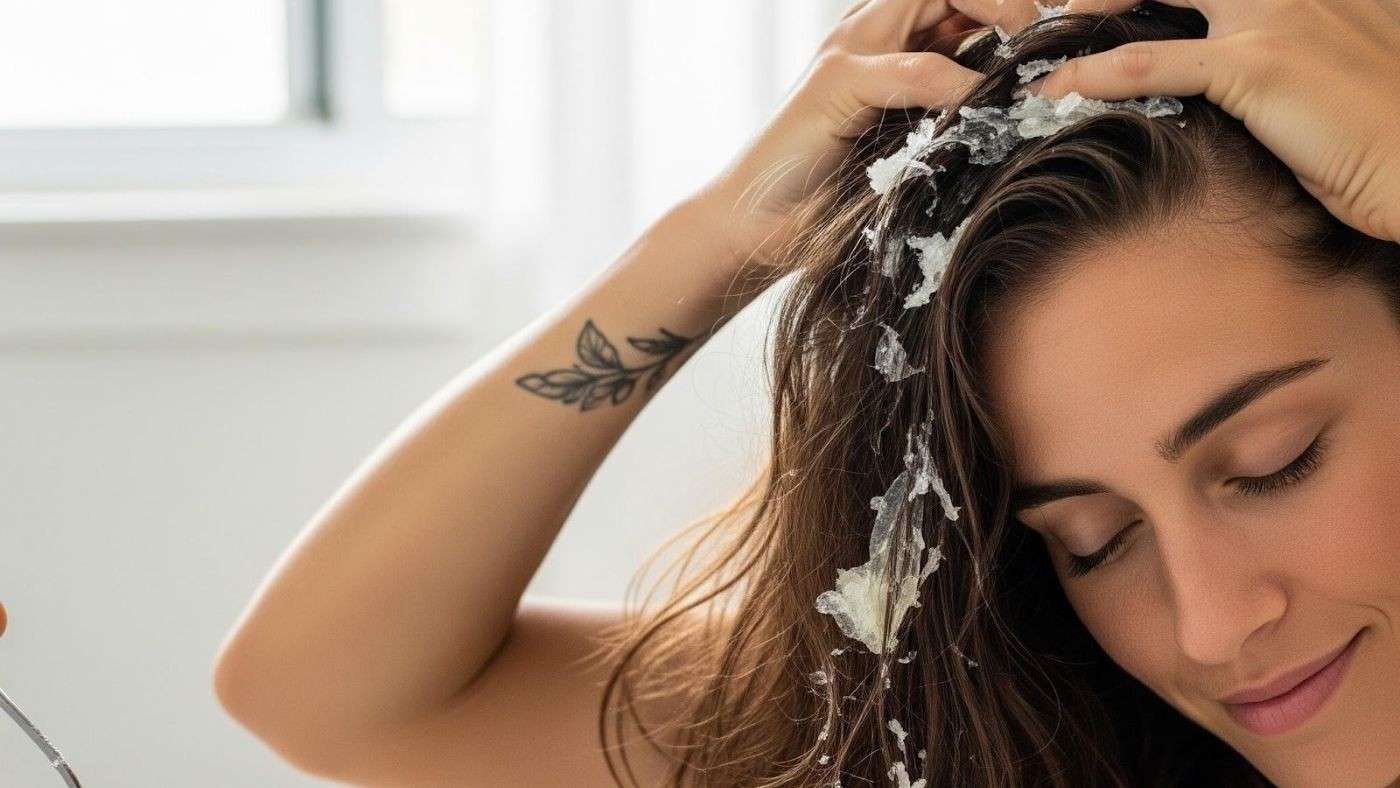
Massage into your scalp and through your hair, leave for 30 minutes, then shampoo. Your scalp should feel calm and clean, not tight. Use weekly if you have scalp issues, else use every two weeks.
5. The Apple Cider Vinegar & Honey Clarifying Treatment
Best for: Oily hair, hair exposed to hard water, or anyone who uses a lot of styling products.
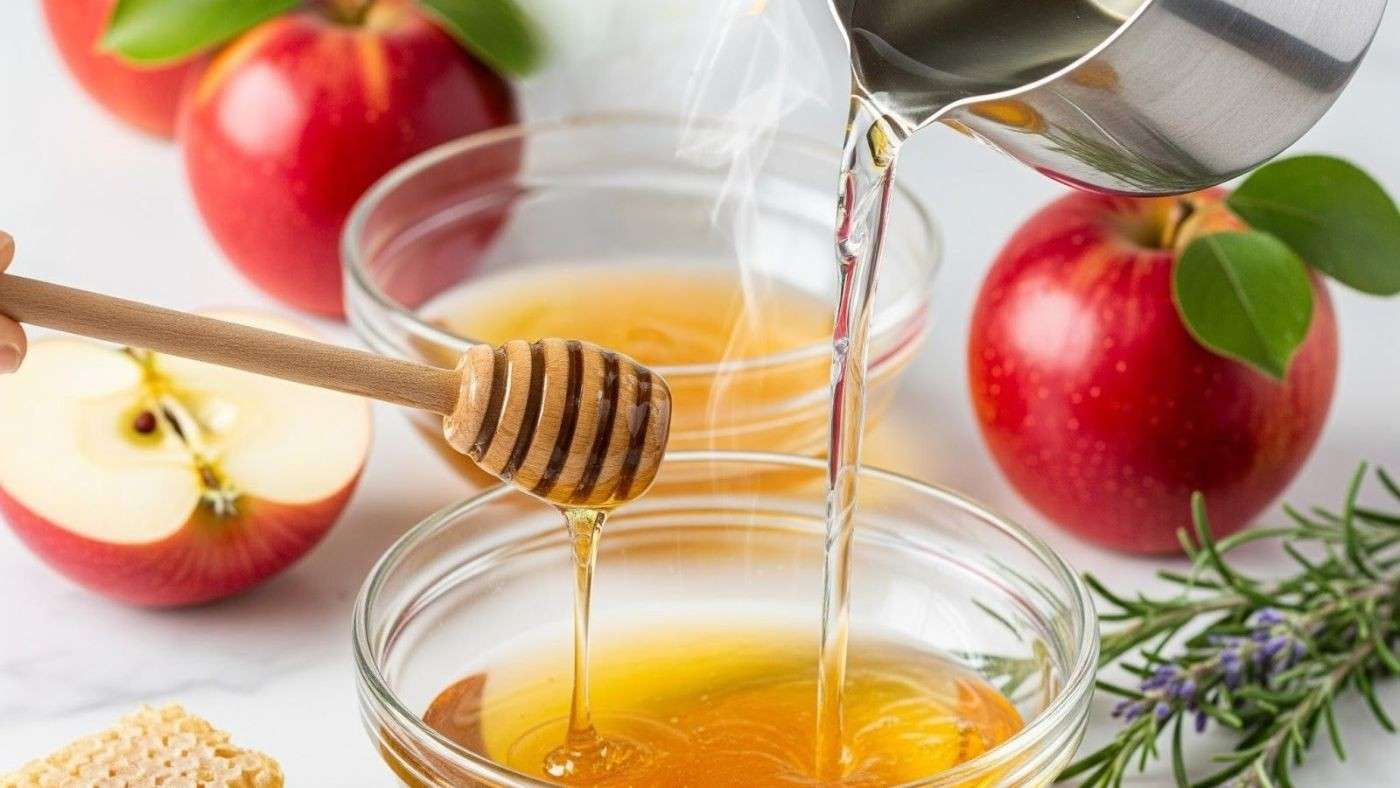
This is your reset button when hair styling gel has built up on your hair or when hard water has left it feeling coated. Mix two tablespoons of raw apple cider vinegar with one tablespoon of honey and half a cup of warm water. The vinegar’s acidity closes your hair cuticle and removes mineral buildup, while honey ensures you’re not stripping away necessary moisture.
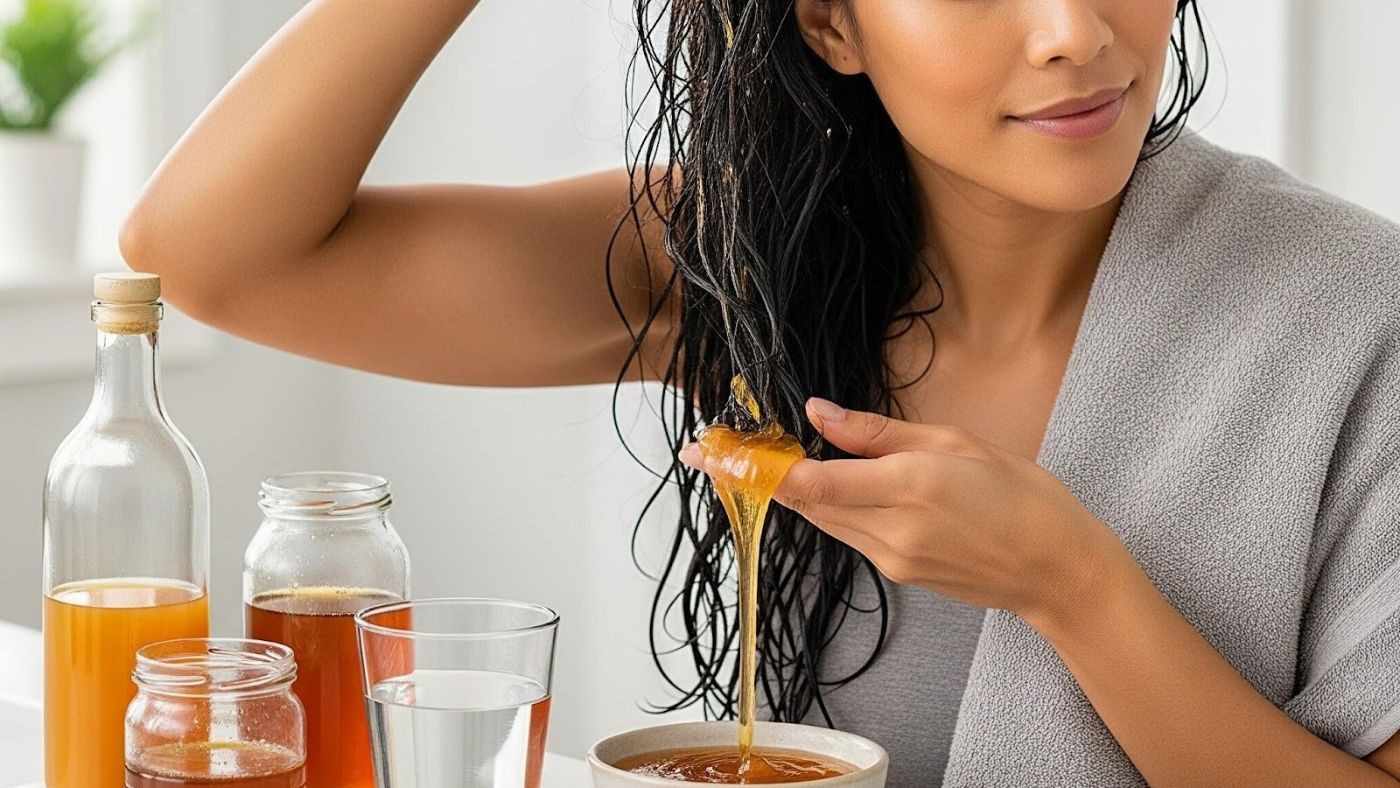
Apply to recently shampooed, damp hair, leave for 5–10 minutes, and rinse. The vinegar smell disappears as your hair dries. Use this mask once every two weeks. Overuse can disrupt your hair’s pH balance, making it too acidic. When that happens, your hair cuticle won’t lay flat properly, which leads to frizz, tangles, and a lack of shine. Stick to the two-week schedule, and your hair stays in that healthy, balanced zone.
Can You Use DIY Masks on Joice Hair Extensions and Wigs?
High-quality human hair extensions and wigs can benefit from gentle moisture treatments like avocado or banana-based masks, as long as they’re used the right way. Focus the mask only on the hair lengths, never on the wefts, knots, or base, and always rinse with cool water to preserve the integrity of the hair.
Protein treatments and clarifying masks should be avoided entirely on hair extensions, as they can shorten the lifespan of the hair. And when it comes to synthetic hair, DIY treatments are not recommended at all; synthetic fibers require products specifically formulated for them.
At Joice Hair, we believe great hair lasts longer when it’s treated thoughtfully. Care isn’t about doing more; it’s about doing what protects the hair you’ve invested in.
How Often Should You Actually Use These Masks?
Here’s where people often go wrong: more is not better. DIY hair masks should be used once a week at most, and if you’re alternating between protein and moisture treatments, space them 3–4 days apart. Your hair needs time to absorb and respond to treatments. If you’re using quality hair extensions or have invested in professional color, think of these masks as supplemental care, not your primary routine.
Are DIY Hair Masks Actually Good for Your Hair?
When used correctly, yes, but they’re not magic. DIY masks work because they deliver concentrated natural ingredients directly to your hair without fillers or preservatives that can cause buildup. The keyword is “correctly”: that means choosing the right mask for your hair’s actual needs, not overusing them, and rinsing them out completely. They’re an excellent way to maintain healthy hair between salon visits, but they won’t repair severe damage.
FAQ
Are DIY hair masks good for your hair?
Yes, when used correctly and sparingly. DIY hair masks support moisture or strength but should not be overused or layered excessively.
How do I know if my hair needs protein or moisture?
Hair that feels soft but weak often needs protein. Hair that feels stiff, rough, or dry usually needs moisture.
Can DIY hair masks damage hair?
Yes. Overuse or using the wrong type of mask can cause dryness, stiffness, or breakage.
How often should I use a DIY hair mask?
Most hair benefits from moisture masks once weekly and protein masks no more than twice per month.
Can DIY hair masks be used on human hair extensions?
Lightweight moisture masks may be used occasionally, but heavy oils and protein treatments should be avoided.

 English (UK)
 Français
 Español
 Deutsch
 Italiano
 Nederlands
 Português
 العربية